
Fence repair projects rarely happen in isolation, especially when properties include mature trees, dense landscaping, or overgrown vegetation. In many cases, the condition of nearby trees directly affects the structural integrity, alignment, and longevity of fencing systems. This is where the collaboration between a fence company and a local tree service becomes essential. From roots disrupting fence posts to branches placing stress on panels, trees can create both visible and hidden challenges that must be addressed before any meaningful fence repair can begin.
Understanding how fence contracting intersects with tree services allows for more strategic planning and better long-term results. Whether dealing with residential yards or larger commercial properties, combining expertise from both fields ensures that repairs are not only effective but also sustainable. This article explores how tree management plays a critical role in fence repair projects and why coordination between professionals is key.
How Does Tree Removal Impact Fence Contracting?
The Importance Of Tree Surveys Before Contracting
Before any fence contracting project begins, conducting a thorough tree survey is a critical first step. Fence contractors need to understand the location, size, and health of nearby trees to anticipate potential challenges that may affect fence repair. Root systems can extend far beyond what is visible above ground, often interfering with post placement or causing gradual shifts in the fence line. Without proper assessment, these issues may go unnoticed until after installation or repair work has already begun.
A local tree service can provide valuable insight during this stage, identifying trees that pose risks due to instability, disease, or aggressive root growth. This collaboration helps ensure that fence repair efforts are built on a stable foundation rather than temporary fixes. It also allows for more accurate project timelines, as any necessary tree removal or trimming can be scheduled in advance rather than interrupting progress later.
Balancing Tree Aesthetics With Fence Stability
One of the more nuanced aspects of fence repair is finding the right balance between maintaining tree aesthetics and ensuring fence stability. Trees contribute significantly to the overall appearance of a property, offering shade, privacy, and natural beauty. However, when they interfere with fence structures, difficult decisions must be made regarding trimming or tree removal.
Fence contractors often work closely with a local tree service to determine the least invasive solutions. Strategic trimming can relieve pressure on fencing materials while preserving the health and appearance of the tree. In other cases, full tree removal may be necessary if the tree poses a long-term risk to the fence or surrounding structures. These decisions require careful consideration of both immediate repair needs and future growth patterns.
What Role Do Fence Companies Have In Coordinating With Local Tree Services?
Benefits Of Collaborating With Local Tree Service Providers
A fence company plays a central role in coordinating the various elements of a fence repair project, including collaboration with tree services. When trees are involved, working with a local tree service offers several advantages, particularly in terms of efficiency and expertise. These professionals understand regional tree species, growth habits, and environmental conditions, allowing them to provide targeted recommendations that support successful fence repair outcomes.
Collaboration helps streamline communication and ensures that both teams are aligned in their objectives. For example, tree trimming can be scheduled to coincide with key phases of fence repair, preventing delays and minimizing disruption. Additionally, coordinated efforts reduce the risk of conflicting work, such as tree removal damaging newly installed fence components.
Streamlining Projects Through Joint Planning
Joint planning between fence contractors and tree services is essential for keeping projects on track and within budget. When both teams collaborate from the outset, they can develop a coordinated strategy that addresses all aspects of the project, from initial assessments to final installation. This level of organization is particularly important in complex fence repair scenarios where multiple factors must be considered simultaneously.
A well-structured plan ensures that tree removal or trimming is completed before critical fence work begins, reducing the likelihood of setbacks. It also allows for more efficient use of resources, as equipment and labor can be scheduled in a way that minimizes downtime. Clear communication between teams helps prevent misunderstandings and ensures that each phase of the project supports the overall goal.
Are Silt Fences Affected By Nearby Tree Growth?
Challenges Trees Pose To Silt Fence Integrity
Silt fence installations are particularly vulnerable to the effects of nearby tree growth. These temporary barriers are designed to control sediment and prevent soil erosion, often in areas where construction or landscaping is underway. However, tree roots and falling debris can compromise the effectiveness of a silt fence, leading to potential environmental and regulatory issues.
As trees grow, their roots can push against the base of a silt fence, creating gaps that allow sediment to escape. Additionally, branches and leaves can accumulate along the fence line, increasing pressure and reducing its ability to function properly. In some cases, storm damage from nearby trees can completely displace sections of the fence, requiring immediate fence repair to restore compliance.
Addressing these challenges requires a proactive approach that includes regular inspections and maintenance. Fence contractors often work alongside tree services to manage growth and minimize the impact on silt fence systems. By doing so, they can ensure that these barriers continue to perform as intended throughout the duration of a project.
Strategies For Managing Tree Growth Around Silt Fences
Effective management of tree growth around silt fences involves a combination of trimming, monitoring, and strategic placement. A local tree service can help identify areas where growth is likely to interfere with the fence, allowing for targeted interventions that reduce risk. Regular trimming keeps branches from overhanging the fence, while root management techniques can help prevent underground disruptions.
Fence contractors may also adjust the placement of a silt fence to avoid high-risk areas, such as zones with dense root systems or unstable trees. This flexibility is an important aspect of fence contracting, as it allows for more resilient installations that require less frequent fence repair. In some cases, temporary tree removal may be necessary to ensure the effectiveness of the barrier.
By combining expertise from both fields, property managers and contractors can maintain the integrity of silt fence systems even in challenging environments. This integrated approach supports both environmental protection and project success.
How Do Local Fence Companies Handle Tree-Related Damage?
Assessing Tree Impact On Existing Fence Structures
When dealing with tree-related damage, a local fence company begins by conducting a detailed assessment of the affected structure. This process involves identifying visible issues such as leaning posts, broken panels, or displaced sections, as well as investigating underlying causes like root intrusion or soil displacement. Accurate diagnosis is essential for determining the most effective fence repair strategy.
Tree damage can vary widely depending on factors such as tree size, species, and proximity to the fence. In some cases, minor trimming may be sufficient to resolve the issue, while more severe situations may require tree removal to prevent ongoing damage. A local tree service can assist in evaluating the condition of the tree and recommending appropriate actions.
By thoroughly assessing the impact of trees on fence structures, fence contractors can develop targeted repair plans that address both symptoms and root causes. This comprehensive approach helps ensure that repairs are durable and less likely to require repeated intervention.
Implementing Repairs With Minimal Environmental Disruption
Once the extent of damage has been assessed, the next step is implementing fence repair in a way that minimizes environmental disruption. This is particularly important when working around established trees and landscaping features that property owners wish to preserve. Fence contractors aim to restore structural integrity while maintaining the surrounding ecosystem as much as possible.
Careful planning and coordination with tree services allow for selective trimming or tree removal that supports the repair process without unnecessary impact. For example, pruning specific branches can relieve pressure on a fence without compromising the overall health of the tree. In cases where removal is unavoidable, professionals take steps to manage debris and protect nearby plants.
This balanced approach ensures that fence repair projects are both effective and environmentally responsible. By working with experienced fence contractors and tree services, property owners can achieve lasting results while preserving the natural elements that enhance their outdoor spaces.
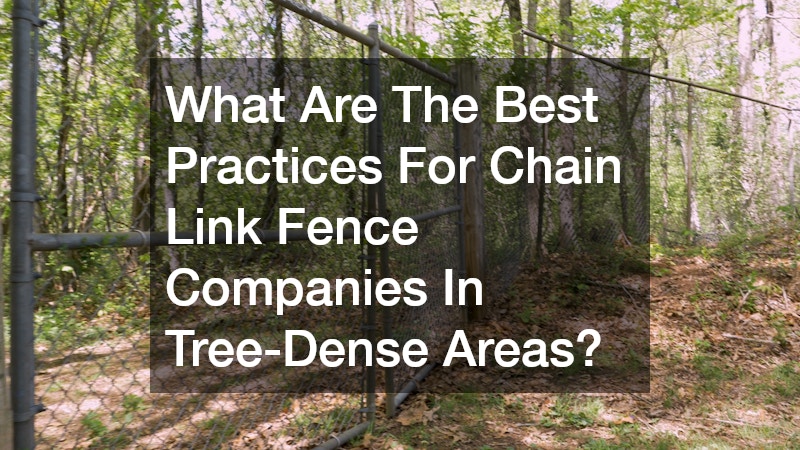
What Are The Best Practices For Chain Link Fence Companies In Tree-Dense Areas?
Preventative Measures To Safeguard Fences From Trees
Working in tree-dense environments requires chain link fence companies to adopt preventative strategies that reduce the likelihood of damage over time. Trees introduce variables such as shifting soil, invasive roots, and falling limbs, all of which can compromise fence structures if not properly managed. Planning ahead is essential, especially when the goal is to minimize the need for future fence repair.
One effective approach is adjusting fence placement to avoid major root systems whenever possible. This may involve slight layout modifications that preserve both the tree and the structural integrity of the fence. In addition, installing deeper or reinforced posts can help counteract soil movement caused by root expansion. Fence contractors may also recommend protective barriers or root shields to limit underground interference.
Regular inspections are another key component of preventative care. By identifying early signs of stress or displacement, professionals can address minor issues before they escalate into more extensive fence repair needs. These proactive measures not only extend the lifespan of the fence but also reduce long-term maintenance costs for property owners.
Efficient Tree Trimming Techniques Used By Fence Contractors
Tree trimming plays a crucial role in maintaining fence stability, particularly in areas with dense or fast-growing vegetation. Fence contractors often collaborate with a local tree service to ensure trimming is performed correctly and at the right intervals. Proper technique is important, as improper cuts can weaken trees and create additional hazards.
Selective trimming focuses on removing branches that pose a direct threat to the fence, such as those that hang too close or show signs of instability. This targeted approach minimizes disruption to the tree while still supporting effective fence repair outcomes. Timing also matters, as seasonal trimming can influence how trees respond and regrow.
Incorporating routine trimming into maintenance plans helps prevent recurring damage and reduces the frequency of major repairs. By working with experienced tree services, property owners can maintain both healthy trees and durable fencing systems.
How Can Fence Contractors Ensure Longevity For Fences Near Trees?
Incorporating Tree Care Into Fence Maintenance Routines
Long-term fence performance depends heavily on consistent maintenance, especially in environments where trees are a constant factor. Fence contractors often recommend integrating tree care into regular upkeep routines to reduce the risk of damage and prolong the life of the fence. This approach aligns fence repair efforts with ongoing landscape management.
Routine inspections should include evaluating nearby trees for signs of disease, instability, or excessive growth. A local tree service can assist in identifying potential risks and performing necessary trimming or maintenance. Addressing these issues early helps prevent them from impacting the fence structure.
By combining fence maintenance with tree services, property owners create a more cohesive system that supports both elements. This integrated approach reduces the likelihood of unexpected repairs and ensures that fence repair efforts remain effective over time.
Recommendations For Materials Resistant To Tree Damage
Material selection plays a significant role in how well a fence withstands the challenges posed by nearby trees. Fence contractors often recommend durable materials that can better resist moisture, impact, and shifting soil conditions. Choosing the right materials can reduce the frequency and severity of fence repair projects.
For example, metal options are less susceptible to rot and insect damage, making them a practical choice in areas with heavy vegetation. Reinforced posts and corrosion-resistant coatings further enhance durability. While no material is completely immune to tree-related issues, thoughtful selection can make a noticeable difference.
In addition to material choice, proper installation techniques are essential. Ensuring that posts are securely anchored and aligned reduces vulnerability to root movement and soil shifts. These considerations help create fencing systems that remain stable even in challenging environments.
What Are The Steps Involved In Fence Repair When Trees Are A Factor?

Assessing Initial Damage And Planning Repairs
Fence repair projects that involve trees require a structured approach, beginning with a thorough assessment of the damage. Fence contractors evaluate both visible and underlying issues to determine the extent of the problem and develop an effective repair plan. This stage is critical for ensuring that all contributing factors are addressed.
Damage caused by trees can include broken panels, leaning posts, and compromised foundations. In many cases, the root cause lies beneath the surface, where roots have disrupted soil or shifted structural elements. Identifying these issues early allows for more precise and lasting fence repair solutions.
Planning also involves coordinating with a local tree service to determine whether trimming or tree removal is necessary. This collaboration ensures that repairs are not only completed efficiently but also protected from future damage. A well-developed plan sets the foundation for successful project execution.
Tree Pruning And Management During Fence Repair
Once the repair plan is in place, tree pruning and management become essential components of the process. Proper pruning reduces immediate risks and creates a safer environment for completing fence repair work. Fence contractors rely on experienced tree services to handle this aspect with care and precision.
Pruning focuses on removing hazardous branches and reducing weight on affected areas of the fence. In some cases, tree removal may be required if the structure cannot be adequately protected through trimming alone. These decisions are made with both safety and long-term stability in mind.
Managing trees during fence repair also involves ongoing monitoring to ensure that new growth does not recreate the same issues. By incorporating tree care into the repair process, professionals can deliver results that are both effective and sustainable.
How Can Homeowners Effectively Use Local Tree Services For Fence Maintenance?
Identifying When To Employ Tree Removal Services
Homeowners play an important role in maintaining the condition of their fences, particularly when trees are involved. Recognizing when to engage a local tree service for tree removal is key to preventing more extensive damage. Certain warning signs indicate that action may be necessary.
Leaning trees, exposed roots, and visible decay are all indicators that a tree could pose a risk to nearby fencing. In these situations, delaying action can lead to more complicated and costly fence repair projects. Consulting with professionals allows homeowners to make informed decisions about whether trimming or removal is the best course of action.
Tree removal is not always the preferred solution, but in some cases, it is the most effective way to protect both the fence and surrounding property. Working with experienced tree services ensures that the process is handled safely and efficiently.
Working With Local Experts For Optimal Fence Conditions
Collaborating with local experts is one of the most effective ways for homeowners to maintain optimal fence conditions. A local fence company and a local tree service can provide complementary expertise that addresses both structural and environmental factors. This partnership supports ongoing fence repair and maintenance efforts.
Regular consultations and inspections help identify potential issues before they escalate. By staying proactive, homeowners can reduce the likelihood of major repairs and extend the lifespan of their fencing systems. Fence contractors can also offer guidance on best practices for maintaining fences in tree-rich environments.
This collaborative approach ensures that both fencing and landscaping elements are managed effectively. By leveraging professional expertise, homeowners can achieve durable, visually appealing results that stand the test of time.
Ultimately, achieving durable and visually appealing fencing requires a balanced approach that considers both structural integrity and environmental factors. By working with experienced professionals and addressing tree-related challenges head-on, property owners can protect their investment and maintain a safe, attractive outdoor space for years to come.