

Owning an older home often means balancing its original character with the practical needs of maintaining a safe, comfortable, and functional living environment. As a property ages, its major systems, appliances, and structural components experience years of regular use and exposure to changing weather conditions. Materials can deteriorate, equipment can become less efficient, and small maintenance concerns can gradually develop into larger repair projects. While some issues are easy to recognize, others can remain hidden until they begin affecting everyday household activities. Regular inspections and timely maintenance help homeowners understand the condition of their properties and identify areas that need attention.
Understanding common maintenance concerns can help property owners plan for repairs, prioritize necessary improvements, and make informed decisions about replacement options. From evaluating aging heating equipment to addressing changes in a home’s foundation, several areas deserve attention when maintaining an older property.
Maintaining Reliable Heating Systems
Heating equipment experiences repeated use throughout the colder months, and older systems can develop operational problems as internal components wear. Homeowners may notice uneven temperatures, unusual noises, frequent cycling, or longer heating periods. These changes can indicate issues involving the blower motor, ignition system, thermostat, heat exchanger, or other equipment components. Addressing these concerns helps maintain indoor comfort and allows technicians to identify developing problems.
Professional furnace repairs can address issues that interfere with heating performance. During an inspection, a technician can examine electrical connections, burners, filters, safety controls, and other components. Depending on the system’s condition, service may involve replacing worn parts, correcting airflow problems, or adjusting equipment settings. Regular filter replacement and keeping supply and return vents unobstructed can also support consistent airflow.
Older heating systems may eventually require replacement when repairs become frequent or important components reach the end of their useful lives. Homeowners can compare available equipment based on the property’s heating requirements, existing ductwork, energy efficiency, and installation considerations. A professional evaluation helps determine whether repairing the current system or installing updated equipment is a more practical option.
Addressing Wear in Household Appliances
Household appliances contribute to everyday convenience, but years of regular use can affect their performance. Refrigerators, washing machines, dryers, ovens, and other equipment contain mechanical and electrical components that can deteriorate over time. Homeowners may notice unusual sounds, inconsistent temperatures, longer operating cycles, or problems with controls. These symptoms can indicate worn parts, electrical issues, drainage problems, or other mechanical concerns.
Scheduling local appliance repair can help identify the source of an appliance malfunction before additional components become affected. A technician can inspect the equipment, test its operation, and determine whether a specific part needs adjustment or replacement. Repairs may involve motors, pumps, heating elements, switches, belts, or electronic controls, depending on the appliance and the problem.
The age and condition of an appliance are important considerations when deciding whether to repair or replace it. A relatively minor issue may be worth correcting, while repeated breakdowns or extensive component damage could make replacement more practical. Homeowners should also consider the availability of replacement parts and the equipment’s overall performance. Professional recommendations can help clarify the options and provide a better understanding of the work involved.
Keeping Kitchen Appliances Working Properly
Dishwashers reduce the time and effort involved in cleaning dishes, but aging equipment can develop problems that interfere with normal operation. Homeowners may notice dishes remaining dirty after a cycle, standing water inside the unit, unusual noises, or water leaking around the door. These issues can result from clogged filters, damaged seals, worn pumps, faulty spray arms, or problems with the water supply.
Professional dishwasher repair can address mechanical and operational concerns. A technician may inspect the drain assembly, circulation pump, spray arms, door latch, and water inlet valve to determine why the appliance is not functioning correctly. Depending on the findings, service could involve clearing an obstruction, replacing a worn component, or correcting an electrical or water supply issue.
Proper care can also help maintain dishwasher performance. Homeowners should remove food debris from filters, avoid overloading racks, and use detergents designed for their equipment. Checking the door seal and keeping the interior clean can help prevent certain operational problems. If a dishwasher repeatedly leaks, fails to drain, or stops completing cycles, a professional inspection can help determine whether repair or replacement is appropriate.
Protecting Aging Roofs From Weather Damage

Roofing materials are continually exposed to sunlight, rain, wind, temperature changes, and other environmental conditions. Over time, shingles can crack, curl, loosen, or lose protective granules. Flashing around chimneys, vents, and other roof openings can also deteriorate, creating potential entry points for water. Older roofs may require more frequent inspections to identify damage before it affects the underlying structure.
Experienced roofing contractors can evaluate the condition of an aging roof and recommend appropriate maintenance or repairs. An inspection may include checking shingles, flashing, gutters, roof valleys, and visible areas of the underlying structure. Technicians can identify signs of water intrusion, damaged materials, and areas that need additional attention. Depending on the extent of the damage, work may involve replacing individual shingles, repairing flashing, or addressing larger sections of the roof.
Attic inspections can provide additional information about a roof’s condition. Water stains, damp insulation, visible daylight, and signs of moisture can indicate problems that are not immediately apparent from the exterior. Proper attic ventilation and insulation also contribute to the condition of roofing materials and the home’s overall performance.
When a roof has widespread deterioration or repeated leaks, replacement may be more practical than continued repairs. Homeowners can discuss material options, expected maintenance requirements, and installation considerations before making a decision.
Maintaining Essential Wastewater Systems
Older properties with private wastewater systems require regular inspections and maintenance to support proper operation. Septic systems collect and treat household wastewater through components such as a septic tank, distribution system, and drain field. Over time, solids accumulate in the tank, while pipes and other components can develop blockages, leaks, or structural damage.
Professional septic service helps homeowners monitor system conditions and address developing problems. Maintenance can include inspecting the tank, checking the inlet and outlet components, evaluating the drain field, and arranging pumping when needed. The appropriate pumping schedule depends on household size, water usage, tank capacity, and system conditions. Following professional recommendations helps prevent excessive solids from moving into the drain field.
Certain warning signs can indicate that a septic system needs attention. Slow drains, sewage odors, standing water near the drain field, and unusually green grass over the system can point to possible malfunctions. These symptoms should be evaluated promptly because wastewater problems can affect indoor sanitation and outdoor conditions.
Homeowners can also support system performance by limiting the amount of grease, household chemicals, and nonflushable materials entering drains. Spreading out laundry loads and repairing leaking plumbing fixtures can help manage wastewater volume. Keeping vehicles and heavy equipment away from the drain field also reduces the risk of soil compaction and damage to buried components.
Preserving Consistent Hot Water Access
Water heaters provide hot water for bathing, cooking, cleaning, and other household activities. In older properties, aging equipment may experience declining performance as sediment accumulates inside the tank or internal components begin to wear. Homeowners may notice inconsistent temperatures, unusual popping noises, reduced hot water capacity, or visible moisture around the unit.
Professional water heater repair can address problems involving heating elements, thermostats, valves, connections, and other components. For tank-style equipment, sediment buildup can affect heating performance and contribute to noise. A technician can evaluate the system, identify the cause of the problem, and recommend appropriate service. Depending on the equipment and condition, repairs may restore normal operation or reveal the need for replacement.
Leaks around a water heater require particular attention. Moisture near fittings or valves may indicate a connection problem, while water coming from the tank itself can suggest internal deterioration. A leaking tank generally requires replacement rather than a standard repair. Homeowners should also pay attention to changes in water temperature and the condition of visible supply lines.
When replacing an older unit, property owners can compare traditional storage systems and tankless models. Available options differ in capacity, installation requirements, energy use, and maintenance needs. A professional can evaluate household hot water demand and existing utility connections to help determine an appropriate system.
Addressing Plumbing Wear and Leaks

Plumbing systems in older homes can contain pipes, fittings, valves, and fixtures that have experienced decades of use. Depending on the property’s age and previous renovations, some plumbing materials may be more susceptible to corrosion, mineral buildup, or deterioration. Homeowners may notice low water pressure, discolored water, recurring clogs, or damp areas near pipes and fixtures.
Professional plumbing repair can address leaks, damaged connections, drainage problems, and other issues affecting the system. A plumber can inspect accessible piping, test fixtures, evaluate water pressure, and identify potential sources of moisture. Repairs may involve replacing worn seals, clearing blockages, installing new fittings, or replacing damaged pipe sections.
Hidden leaks deserve particular attention because water can travel behind walls, beneath flooring, or through ceilings before becoming visible. Signs can include unexplained increases in water usage, persistent musty odors, peeling paint, and water stains. Identifying the source early can help limit damage to surrounding materials and reduce the likelihood of additional repairs.
Homeowners should also consider the condition of older shutoff valves and exposed supply lines. These components are important when a fixture needs service or an unexpected leak occurs. A plumber can evaluate whether existing parts are functioning properly and recommend replacements when necessary. Regular attention to plumbing concerns helps support dependable water delivery and drainage throughout the property.
Maintaining Reliable Private Water Systems
Properties that rely on private wells have additional maintenance requirements involving the pump, pressure tank, electrical connections, and water supply components. A well pump moves groundwater into the home’s plumbing system, making it essential for everyday activities. As equipment ages, homeowners may experience fluctuating water pressure, unusual pump noises, reduced water flow, or intermittent water availability.
Professional water well pump repair can address mechanical and electrical problems affecting the system. A technician may inspect the pump, pressure switch, wiring, pressure tank, and related equipment to identify the cause of a malfunction. Depending on the system design and condition, service may involve replacing a worn component, correcting an electrical issue, or addressing problems with the pressure controls.
A pump that runs continuously or cycles frequently can indicate an issue that needs professional attention. These conditions may be related to pressure tank problems, leaks, incorrect switch settings, or other equipment concerns. Continuing to operate a malfunctioning system can contribute to additional wear.
Water quality is another consideration for properties with private wells. Regular testing can help homeowners monitor drinking water and identify changes that require further evaluation. The recommended testing schedule depends on local guidance and individual property conditions. Homeowners should also keep records of inspections, pump repairs, and water testing to help monitor the system over time.
Identifying and Addressing Structural Changes
A home’s foundation supports the structure and helps distribute its weight across the ground beneath it. In older properties, changes in soil conditions, moisture levels, drainage, and building materials can contribute to foundation movement or deterioration. Some homes naturally develop minor settling over time, but certain changes can indicate a more significant structural concern.
Homeowners should pay attention to cracks in foundation walls, uneven floors, doors that no longer close properly, and gaps around windows or exterior walls. While not every crack indicates serious damage, changes in their size, location, or appearance deserve evaluation. Water intrusion in basements and crawl spaces can also contribute to moisture-related deterioration.
Professional foundation repair begins with an assessment of the property’s structural condition and the factors contributing to the problem. Depending on the findings, solutions may involve addressing drainage issues, stabilizing affected areas, sealing certain cracks, or installing specialized support systems. The appropriate approach depends on the foundation type, soil conditions, and extent of movement.
Managing water around the home is an important part of protecting the foundation. Properly functioning gutters and downspouts help direct rainwater away from the structure, while appropriate grading reduces the accumulation of moisture near foundation walls. Homeowners should also monitor basement and crawl space conditions for recurring dampness or visible water entry. Addressing these concerns can help protect surrounding building materials and support the property’s long-term stability.
Keeping Garage Entry Systems Functional
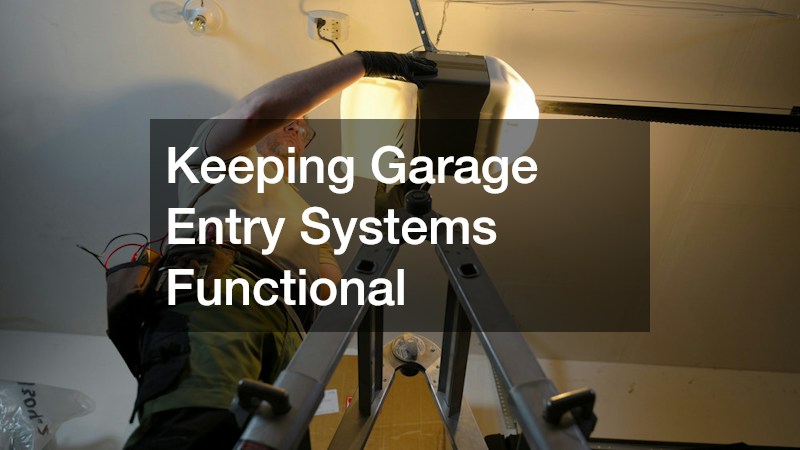
Garage doors are frequently used components that contribute to household access and security. Older systems may develop problems involving springs, cables, rollers, tracks, panels, or automatic openers. Homeowners might notice grinding noises, uneven movement, delayed operation, or a door that stops before reaching the ground. These symptoms can indicate worn hardware or a malfunctioning component.
Professional garage door repair can address problems that affect the door’s movement and operation. A technician can inspect the springs, cables, rollers, tracks, hinges, and opener to identify the source of the malfunction. Depending on the condition of the system, service may involve replacing damaged parts, correcting track alignment, adjusting opener settings, or repairing electrical components.
Garage door springs require particular attention because they support much of the door’s weight. A broken spring can make the door difficult to lift and create a safety hazard. Homeowners should avoid attempting to adjust or replace springs and cables themselves because these components operate under significant tension.
Safety sensors and automatic reversing features should also be tested periodically. Misaligned or malfunctioning sensors can interfere with the door’s ability to close properly. If the door has sustained significant damage or the opener has become unreliable, a technician can discuss replacement options. Regular inspections help homeowners identify worn components and maintain dependable access to the garage.
Maintaining an aging property involves paying attention to the systems and structural components that support everyday household activities. Heating equipment, appliances, roofing materials, plumbing, wastewater systems, and private water supplies all have maintenance requirements that can change as a home gets older. Recognizing signs of wear and addressing developing problems can help homeowners avoid unnecessary disruptions while preserving the property’s condition. Regular inspections also provide opportunities to identify concerns that might not be obvious during normal household use.
An older home does not necessarily require extensive renovations to remain comfortable and functional. Consistent maintenance, timely repairs, and informed replacement decisions can help preserve important features while addressing changing household needs. By monitoring the condition of major systems and responding to problems appropriately, homeowners can support the property’s continued usability, safety, and long-term performance.